

We’ve all heard that sugar is bad for us. But do any of us really know what goes on in our bodies when we ingest too much sugar? As it turns out, sugar is a silent killer.
Sugar causes our glucose levels to spike and plummet. An unstable blood sugar can leave you experiencing mood swings, fatigue, and headaches. It also contributes to cravings, which begin the cycle of false hunger. Sugar affects the brain much like cocaine and alcohol, according to a brain-scan study from the U.S. National Institute on Drug Abuse.
Sugar increases the risk of obesity, diabetes, and heart disease. The American Heart Association suggests no more than six teaspoons (25 grams) of added sugar per day for women. That backs up the World Health Organization’s recommendation that adults get less than 10 percent of their daily calories from added sugar or natural sugar present in honey, syrup, or fruit juice. Ideally, they say less than five percent of your diet should come from the sweet stuff—and that comes out to 25 grams for a 2,000 calorie diet. At the same time, the average American takes in a whopping 19.5 teaspoons (82 grams) every single day, according to research from the Centers for Disease Control and Prevention.

Studies have shown that sugar can interfere with the way your body fights disease. Bacteria and yeast feed on sugar, so excess glucose in the body causes these organisms to build up and cause infections.
While you probably know that sugars can affect your body composition, they can also mess with your skin by contributing to wrinkles and sagging. After sugar hits your bloodstream, it attaches to proteins. The mix of these proteins with sugar causes the skin to lose elasticity and leads to premature aging.
Evidence shows that chronic infections, like those that result from dental problems, play a role in the development of heart disease. Most researchers believe that the connection stems from the body’s inflammatory response to infection. Luckily, this works both ways. Maintaining a healthy lifestyle will decrease your risk of common illnesses, which reduces the chance that they’ll become a more serious condition later on.


When we’re under stress, our bodies immediately kick into fight-or-flight mode, releasing large amounts of hormones. Surprisingly, the body has the same chemical response when blood sugar is low. After you eat a sweet snack, stress hormones begin to compensate for the crash by raising your blood sugar. The result? Unexplained anxiousness, irritability, and even shakiness.
Sugar also hides in plain sight. From sucrose, which is table sugar, to high-fructose corn syrup, which is liquid sugar, food producers have come up with a plethora of ways to list this nutrient on labels. This makes it even easier to skim over a long ingredient name in a shopping hurry and inadvertently take in more sugar than you meant to. Check out an extensive list of 56 different names for sugar here.
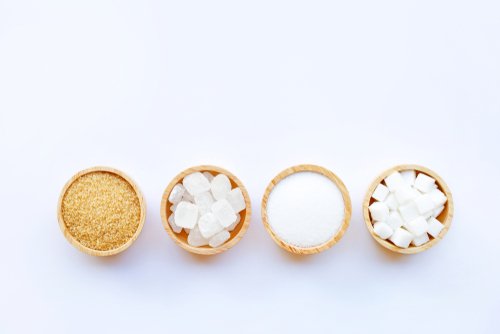
Although consuming small amounts now and then is perfectly healthy, you should try to cut back on sugar whenever possible. Fortunately, simply focusing on eating whole, unprocessed foods automatically decreases the amount of sugar in your diet.
Here are some tips on how to reduce your intake of added sugars:
- Swap sodas, energy drinks, juices and sweetened teas for water or unsweetened seltzer.
- Drink your coffee black or use Stevia for a zero-calorie, natural sweetener.
- Sweeten plain yogurt with fresh or frozen berries instead of buying flavored, sugar-loaded yogurt.
- Consume whole fruits instead of sugar-sweetened fruit smoothies.
- Replace candy with a homemade trail mix of fruit, nuts and a few dark chocolate chips.
- Use olive oil and vinegar in place of sweet salad dressings like honey mustard.
- Choose marinades, nut butter, ketchup and marinara sauce with zero added sugars.
- Look for cereals, granolas and granola bars with under 4 grams of sugar per serving.
- Swap your morning cereal for a bowl of rolled oats topped with nut butter and fresh berries, or an omelet made with fresh greens.
- Instead of jelly, slice fresh bananas onto your peanut butter sandwich.
- Use natural nut butters in place of sweet spreads like Nutella.
- Avoid alcoholic beverages that are sweetened with soda, juice, honey, sugar or agave.
- Shop the perimeter of the grocery store, focusing on fresh, whole ingredients.
In addition, keeping a food diary is an excellent way of becoming more aware of the main sources of sugar in your diet. The best way to limit your added sugar intake is to prepare your own healthy meals at home and avoid buying foods and drinks that are high in added sugar.

It’s time to kick the sugar habit! And if you need help, the staff at Aura Body have solutions for you. Book online now!